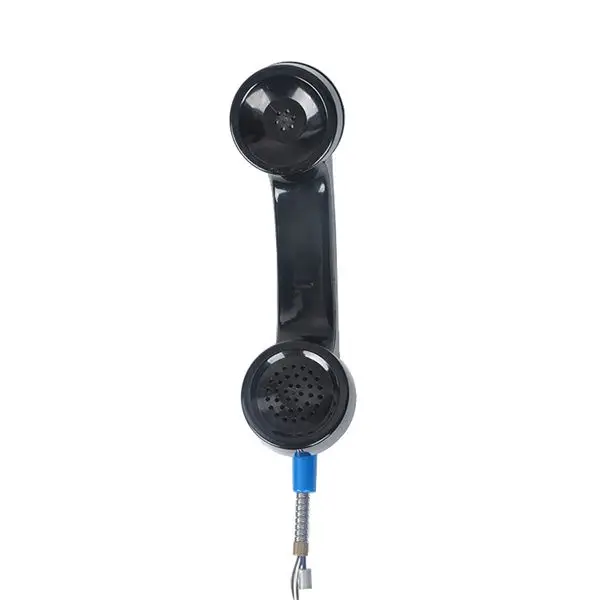
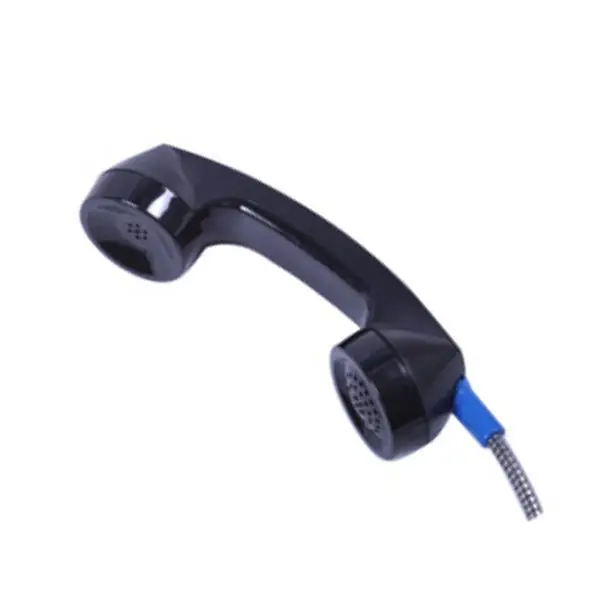
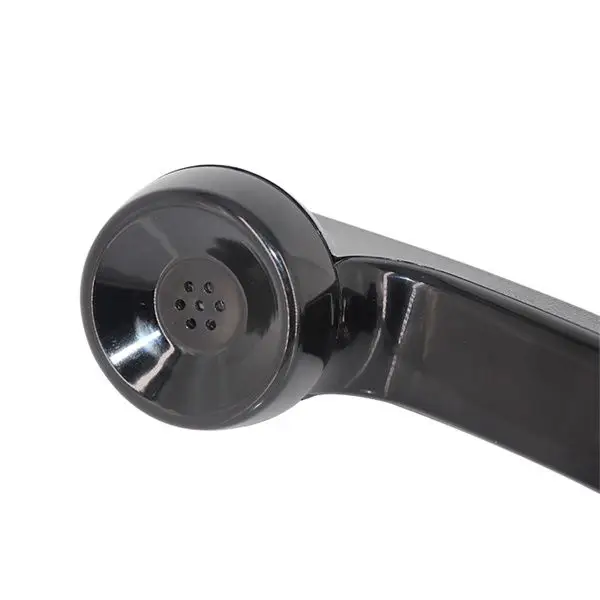
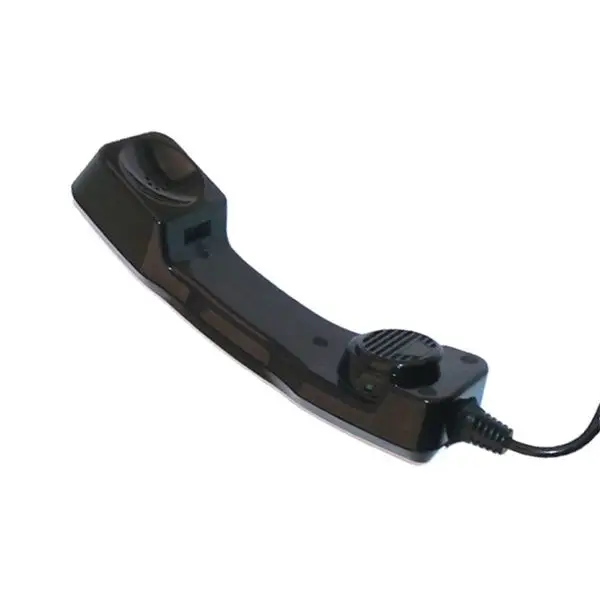
In the midst of a bustling industrial environment like an oil rig, factory or chemical plant, clear and reliable communication can be everything sometimes even the difference between safety and disaster. Which is why we see that rugged telephone handsets are a vital tool for these harsh locations. Your regular phone is no match for dust, moisture, temperature extremes and heavy use. But rugged phones are constructed to take all that and then some. They continue working where ordinary devices fail. From coordinating teams during maintenance, to calling for help after an injury, these rugged handsets keep lines open when it counts.
Vandal Proof & Explosion Proof Handsets.
Even in hazardous or high-risk areas such as a chemical plant, in a mining tunnel or a transportation hub phones are exposed to much more than rough weather. They are often exposed to purposeful damage or work in the presence of flammable gases and dust. This is where vandalism-proof and explosion-proof handsets come into the picture. These handsets are not only rugged they are specifically engineered to survive both human impact and hazardous environments.
The vandalism proof handset typically is constructed with a heavy duty body and material, for example, stainless steel or high impact plastic. The cords may be armored or reinforced to prevent people from cutting or yanking them. You’ll frequently find them implemented in prison phones, public emergency call boxes or entrance doors at secure facilities. They’re made to continue to work even if someone attempts to break them.
The explosion-proof handets that’s a different kind of tough. They are built for environments in which a single spark could set off an explosion. These phones feature enclosed designs to prevent sparks from escaping, and are constructed of materials thought to be least likely to generate static from friction. You’ll find them at oil refineries, chemical processing plants or grain silos anywhere flammable gases or particles could be in the air.
Example in real life: At offshore oil platforms, all communication gear must adhere to safety directives. Explosion proof handsets in weather resistant housings allow the crewmen to communicate during day-to-day work or emergency shutdowns even in salt-laden air and high winds. When things go wrong, they can call for help without worrying about a spark.
If you’re after a rugged handset for these types of environments, ensure it has been CE or IEC Ex- or ATEX-certified for explosion protection. Features such as tin tougher screws, crush resistant housings and strong mounting are important when you focus vandal resistance.
Noise Canceling for High-Decibel Facilities.
Those background noise levels can reach dangerously high — tipping over 100 decibels, even in spots like steel mills, engine rooms or on airport tarmacs. In these places, it’s all but impossible to simply have a phone conversation without extra gear. That’s why noise-canceling technology is crucial in the ranks of rugged handsets. It helps screen out ambient sound, so the person you’re speaking to hears your voice perfectly, not your company’s hard-won industrial-grade loudspeakers.
Noise-canceling handsets achieve this in a few different ways. One common method, is the dual-microphone technology. The primary microphone records your voice while a second microphone captures background noise. The system then eliminates the background noise, allowing your voice to speak for itself. Some models even offer digital signal processing (DSP), which adapts on the fly to changing sound levels in your vicinity.
This isn’t merely an issue of convenience it’s a safety issue. Workers must also be able to hear clearly while performing their duties under normal conditions or during an emergency. Mistakes, delays or even accidents can snowball from miscommunications related to bad audio.
A practical example can be drawn from the shop floors in automotive industry. These are filled with robotic welders, conveyor belts, forklifts anything that makes noise. Supervisors can communicate with their teams on the other side of the plant, or provide guidance to remote maintenance staff/system instructors without raising their voices or having to repeat themselves, thanks to noise reduction handsets.
When you’re considering a rugged phone specifically for high-noise environments, try to find one (or more) that specifically say they are noise-canceling or “voice-enhanced” model. If you can, test the device and make sure it pairs with headsets or speaker options so you can be hands-free when you’re talking on the phone, which can help if you’re on an inspection or dealing with equipment.
[Possibly Picture: A factory worker uses an old noise-canceling handset while standing beside loud machinery.
IP65 Waterproof & Weatherproof Solutions.
Very few businesses take place where you can count on a roof or a gentle climate. In numerous applications from outdoor security posts to marine terminals to roadside emergency stations communication equipment is subject to rain, dust, wind, sometimes snow and more. This is where waterproof and weatherproof handsets, under the IP65 waterproof rating, come in. They are built to keep on working no matter what nature throws at them.
The IP65 rating indicates that the handset is totally protected against dust and it can withstand low-pressure water jets from any direction. The level of protection is more than sufficient for the majority of outdoor applications. Whether it’s on a phone situated at a distant mining site or on a storm-battered coastline, an IP65-rated handset isn’t going to short out due to rain or windblown dust.
These phones are specially designed with sealed push buttons, weatherproof speakers, and enclosed circuitry. Rust protection, such as marine-grade stainless steel, or UV-resistant plastics can help protect against corrosion and sun damage. Gaskets and seals around its buttons and openings prevent water from getting inside, even after years of use.
For instance, in a transportation yard, where trucks are going in and out all the time, outdoor wall mounted dispatch handsets remain subject to mud, rain, and cold. IP65-rated phones remain reliable when workers wear gloves or have damp hands.
If you’re searching for a weatherproof solution, you’ll also want to have an eye on the enclosure or housing where the phone will be fixed. Some models include protective hoods to shield them from drenching rain or direct sunlight. Others are installed in cabinets that are housed with lockable doors for extra security.
Anti-Radiation Protection for Sensitive Zones.
In some industrial and research environments, electromagnetic interference (EMI) and radiation are not abstract concepts; they pose actual potential hazards to people and equipment. Settings like power plants, military bases and medical imaging rooms call for communication tools that won’t interfere with fragile equipment and are protected from the radiation in their midst. Which is where anti-radiation rugged handsets come in.
These phones comprise materials and construction that provide RF (radio frequency) attenuation, lowering the amount of electromagnetic radiation emitted by the device. This helps the phone not interfere with adjacent control systems, sensors, sensitive medical equipment, etc. At the same time, they are designed with the strengths of noise-cancellation to fend off outside sounds, such as incoming calls or audio, even in electrically noisy environments.
For instance, the electronic equipment in the control room of a nuclear power plant all must operated under extremely well-controlled conditions to prevent any of it from interacting with the monitoring systems of the nuclear reactors. Regular phone use may be problematic, for anti-radiation rugged handsets will enable safe and clear communication without interferences on surrounding devices. It also shields the phone’s internal organs from decay related to protracted contact with electromagnetic fields.
In a few zones, it’s not a matter of interference it’s a matter of safety. Signal generating devices can be a source of ignition in explosive atmospheres. Anti-radiation phone cases minimize the risk of that, as they keep the leakage of energy to an absolute minimum.
If you’re in or helping supply the people in such sensitive areas, you want handsets tested to meet the standards for electromagnetic compatibility (EMC). They may have other certifications depending on the specific industry, such as MIL-STD (military), or level of EMI shielding (medical-grade).