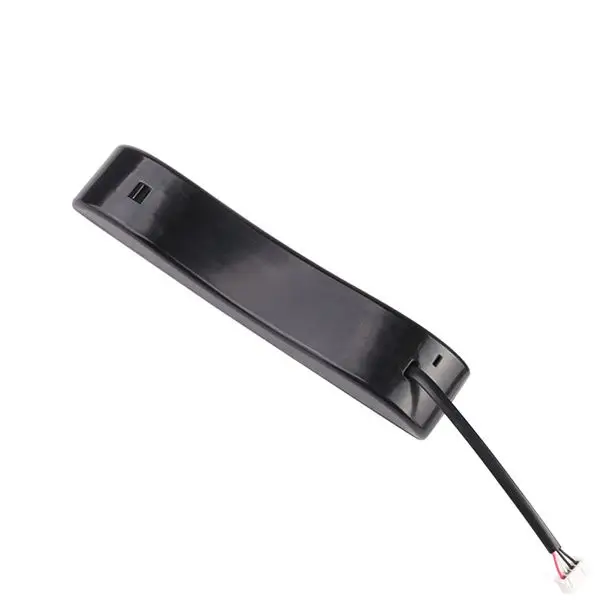
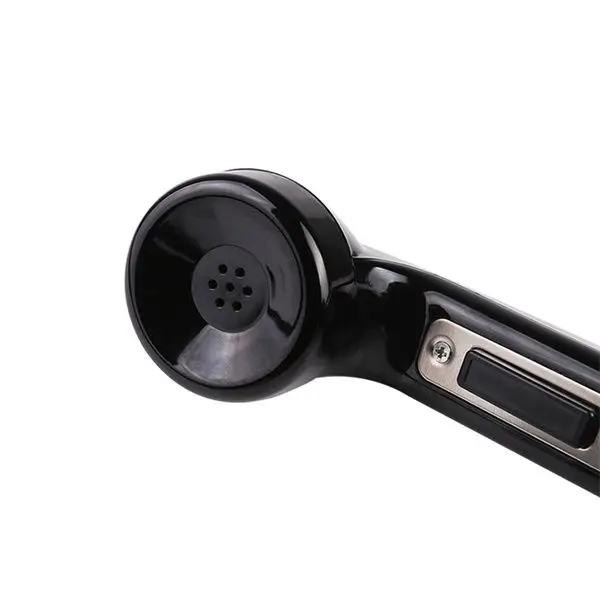
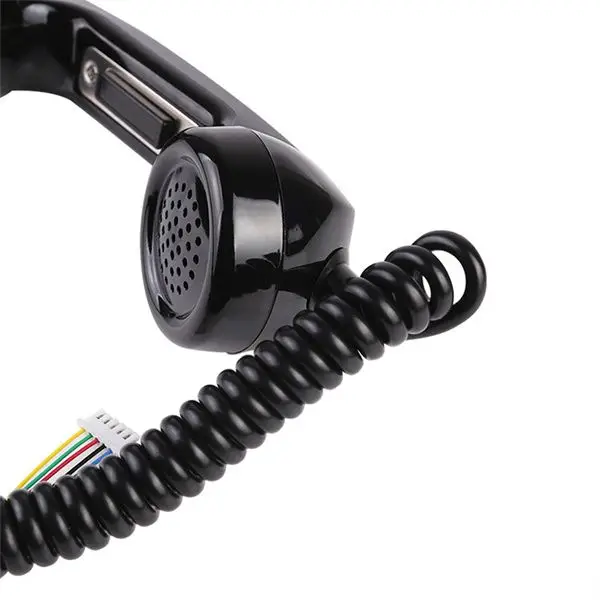
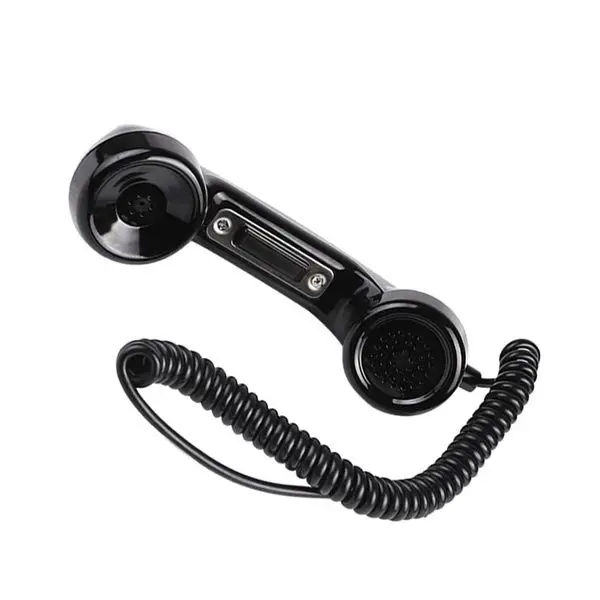
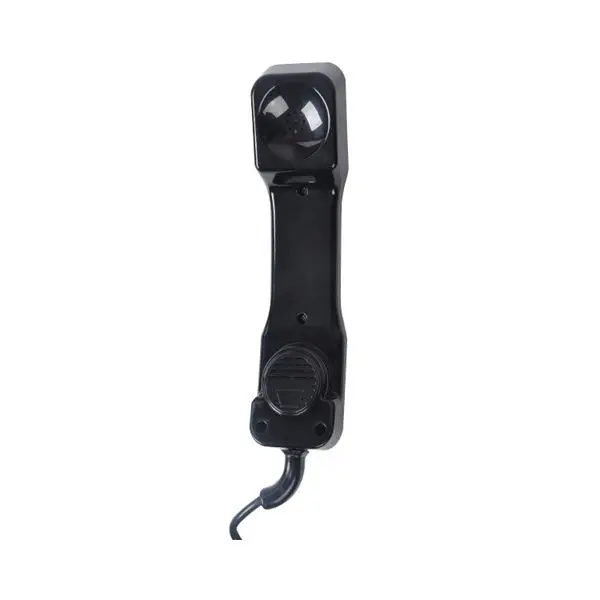
Prison phone systems must be rugged, both physically and technologically. Many prisoners use phones to contact relatives, their solicitors, or support services, but the phones are used in a place where damage whether deliberate or accidental is a possibility. That’s the niche filled by anti-vandalism telephone handsets. These handsets are manufactured specifically for hard use, abuse and if necessary attempts to remove or destroy. But strength alone isn’t enough. The real question is whether or not these phones can actually secure the entire communication system in a prison? So let’s take a look at how they work, and why they’re so important.
Jail & Inmate-Specific Handset Designs.
Prison phones must do far more than make calls. It can cause inmates to become frustrated, resulting in rough handling or efforts to break the handsets. For these reasons, phone makers build jail-specific handsets with ruggedness in guffs. Many of these handsets are constructed with rugged materials including reinforced metal or heavy plastic that is resistant to breaking or chipping. Buttons are durably constructed and not easily removed or damaged.
Consider also tamperresistance. And in prisons, phones can’t be dismantled or tampered with by inmates who are attempting to evade monitoring or place unauthorized calls. Handsets are constructed to be difficult to open or interfere with wiring and internal components. Some of the models also come with sealed, or armoured cables that are cut or pull resistant.
Hygiene and maintainability are also taken into consideration in the design. Because these phones are used by many individuals each day, they need to have the ability to be cleaned easily and function with a few repairs. Smooth surfaces and water resistance are always a plus for this. And many jail-specific handsets feature noise-canceling microphones and speakers, meaning calls can be heard loud and clear even in noisy or chaotic environments.
Examples from daily life demonstrate how these designs are implemented in practice. For example, some jails adopted vandal-resistant phones that can withstand being damaged without becoming inoperable. This means less repair and maintenance and helps maintain the lines of communication which is crucial to an inmate’s well-being and security.
When it comes to a Tough Phone, choosing the right handset is a balance between ruggedness and usability. If you’re relying on a phone that can’t take a good beating but is easy to use, it will only be a nuisance. On the other, a super tough phone that’s difficult to hear or operate clearly will drive users up a wall. Prison-optimized handsets need to achieve this compromise and secure the communication barrier against physical abuse maintaining a clear and understandable voice communication.
Full Keypad Prison Telephone Solutions.
And when it comes to telephones in prison, they can’t simply be a handset, they need to have a keypad that is designed in a way that fits the unusual realities of prison life. They are secure and controlling calls and designed for easy dialing of numbers by inmates.
These keypads are heavy duty and commonly constructed of stainless steel or other rugged materials that are resistant to tampering and vandalism. The buttons tend to be overly large and sturdy to weather heavy use without breaking or wearing out. This prevents downtime due to torn keypads and ultimately keeps the phones working harder for longer.
Security is a significant consideration in keypad design for prisons. Many systems have restrictions on which numbers can be dialed like disallowing calls to unauthorized contacts. The keypad may also include the ability to block certain digits or digit sequences to limit calls to matching the approved list. This is to help guards and administrators better control communication and cut down on illegal activity.
Another important aspect is accessibility. Some keypads offer extras like backlighting or tactile feedback so inmates can make phone calls in low light or when they have impaired vision. This makes calling more convenient and its users less frustrated which can lower the risk of damage caused by impatience or confusion.
One good example is facilities that have keypad phones connected to monitoring systems. Every key press is trackable and recordable, facilitating call auditing as well as identifying suspicious activity sooner. It provides an additional level of security without cutting off prisoners’ access to the rest of the world.
In short, full keypad systems for prison phones transport the perfect combination of ruggedness, security and usability. They’re designed to keep you connected and protected, even in the most difficult prison environments.
Armored Cord & Sabotage-Proof Tech.
In a prison, any aspect of a phone system can be an opportunity, and the handset cord is no exception. Traditional cords are frequently cut, pulled or frayed, which can result in communication snafus or chances for prisoners to outmaneuver the authorities. That’s how many prison phone systems include armored cords and sabotage-proof technology to keep everything on lockdown and running smoothly.
Metal Cords: Armoured cords are made from tough metal or slash resistant plastic making them very difficult to cut through. These cords don’t pull or break easily. This is a good thing, after all, inmates can get frustrated, or act idiotically in a way that might damage the cord, and it needs to endure daily abuse.
SABOTAGE PROOF The technology is not just in the cord. Phones in prisons also are designed with features to make them tamper resistant, such as bricked connections and sensor-detecting parts. For example, if someone tries to open the handset or remove wires, the system might warn or block the call. This enables guards to spot potential issues early on, before they escalate into bigger security threats.
Some systems also include proprietary wiring that is hard, if not impossible, to tap or reroute, making it difficult for inmates to make unauthorized calls in the first place. When combined with armored cords, this tech delivers powerful protection against tampering.
The anecdotal examples show us why these features count. Jails that replaced their sabotaged phones experienced less broken equipment and less downtime for repairs. That makes calls more dependable, helping inmates connect to both families and legal assistance, which, in turn, can help with rehabilitation.
Armored cords and sabotage-proof tech are in many ways at the core of the prison phone systems. They protect the gear and the communication lines against the issues, making it tougher to allow those issues to keep sliding through and making everything work in the facility work like a well-oiled machine.